TOP 5 INEXPENSIVE TRAVEL ACCESSORIES FOR YOUR HEALTH
How many times have you wanted to kick yourself for forgetting the most simplest of travel items or of not thinking of using something you use everyday to solve a problem. Here are a few of my favorites in the health category.
It’s the simple things in life. We spend so much on time and money on vacations that sometimes we lose sight of the purpose of our travel or the accessories we need to help us stay healthy. These simple items can greatly improve your chances of not having your vacation ruined by something you can catch or be bitten by.
BLEACH WIPES : At about 8 cents a wipe, these handy little wonders will kill most viruses, bacteria and even insect eggs. Use them for wiping down whatever you might want to touch, handles, tv remotes, counter tops etc.
IMUNO BOOSTER : I know of only one product which has been proven to help prevent and cut the duration of colds, it’s called Cold/FX. This highly purified extract comes from north american ginseng. It’s great to start taking these a week before traveling and then during, to lessens your chances of catching something or getting you back on your feet faster. A bit pricey, about 35 cents per 200mg capsule at my favorite big box store.
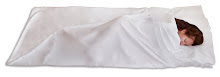
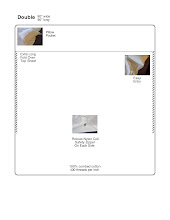
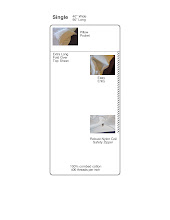
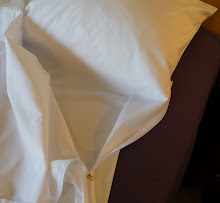
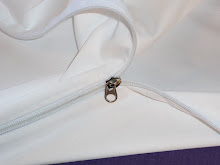
TRAVEL SHEET: Nothing can impact your vacation like poor or dirty bedding. Haven’t you pulled back the filthy bedspread on numerous hotel beds to find questionable sheets. They look clean but there’s a hair or something that just doesn’t sit right, not enough to go through the hassle of changing rooms even if there are available rooms. A great travelsheet is wonderful thing. It’s easy to pack, easy to use and the really great ones are a snap to wash. I use a 100% cotton Allersac, it’s zippered and made of the same 400 thread count sateen that I use at home on my bed I use it no matter how much I pay for the room and between the bed bugs and the bleach, I just sleep better knowing my face is planted on sheets that I washed. The most expensive item on the list at about 50 bucks. But, because you can own one for years, it evens out.
ZIPLOCK BAGS : Think about this, the tv remote is the dirtiest thing in the room. Bed bugs can stowaway in or on any of your belongings. The person who washes the bathroom will touch your cosmetics, toothbrush, brush etc. when cleaning the bathroom.
To combat all these possibilities...ziplock bags of varying sizes. Pennies a bag.
HAND SANITIZER : Duh ! Although there have been a few studies which show that, on the whole, hand sanitizers do not cut the incidence of sickness as well as just plain soap and water but in a pinch, they’re great. $1 - $2.00 for an 8oz. bottle.
HONORABLE MENTION : For the slightly paranoid, painters tape. Wrap around the legs of the bed and/or around the headboard after inspecting the mattress and headboard. Anything that crawls over the tape will stick. Take that, bed bugs. About $3 - $4.00 for a 60 yard roll.
How Does A Sleep Sack / Travel Sheet Protect You From Bed Bugs And Scabies
Travelsheets and Sleep Sacks have been around for about twenty years. First invented to protect the inside of sleeping bags, they became popular with backpackers to use in hostels. While the backpacker type is typically made of silk because it is lightweight and dries very quickly, the high incidence of unclean hotel and motel bedding along with the bed bug epidemic has seen an evolution in construction to include synthetics and cottons.
Bed bugs have always been present in third world countries but in the last 10 years have spread throughout the western world and are now found practically everywhere. A Sleep Sack / Travel Sheet will prevent bed bugs from entering through the fabric as they are just too large to pass in between the fibers. Most Travelsheets are closed at the bottom and one side, leaving the other side open or attached by cloth ties or velcro. The top is always open for your head. The best Sleep Sacks are zippered, allowing easy entry and exit while providing the best possible coverage.
Bed bugs are attracted to their food ( you ), by sensing carbon dioxide from your breath and your body heat. Because the Travelsheet must have the top end open, it cannot be 100 % guaranteed to prevent bites, but by using a Sleep Sack you are limiting the access bed bugs have to your body. Biting through a high quality Travel Sheet is highly doubtful. The parts of a bed bug, the hemipteran piercing-sucking mouthparts, that actual gets inserted into your body is miniscule, less than a millimeter. The chance of a bed bug getting it’s mouth part through the fabric and deep enough into you to feed is improbable.
Make sure any Travelsheet / Sleep Sack you use is washable in hot water and that you can put it through a high heat drying cycle in your dryer. High heat is the only reliable way to kill bed bugs and especially their eggs.
Scabies, a parasite that burrows into your skin and lays eggs is much more insidious. Scabies cannot be seen by the naked eye. They are responsible for extremely itchy skin conditions and even disfiguration and scars. Scabies are most prevalent in long term care facilities for the aged , hospitals and even daycare centers as they are highly contagious and are spread mostly by skin to skin contact. But they are easily caught from shared towels and bedding or clothing. Scabies are becoming a problem in hotels due to the lack of proper laundering. A Travelsheet with a tight weave will prevent scabies from contacting your skin and because they are much smaller than bed bugs and are not as mobile, all you need is a barrier between the infested surface and your skin. Even though an adult scabies mite is only 3 millimeters in size, it’s still way too large to pass through a high quality cotton.
Any Travel Sheet / Sleep sack company should be able to supply you with the pore size of their products. Look for a Travelsheet with a pore size of about 10 microns, this will be sufficient to block bed bugs, scabies, dust mite allergens and dog dander.
Secrets To A Clean Hotel Stay
Everybody has at least one horror story about a hotel/motel stay. Dirty bathrooms, bad room service, noisy rooms, bad experiences rum the gamut. But what really affects ones stay is the bed, after all, the main purpose of staying in a hotel is to sleep. Sure you wash and sometimes eat in a hotel , but sleeping is paramount. You can have the best meal or a great shower, but if your pillow is too hard, or you become skeptical about the cleanliness of the sheets, you can pretty much kiss a restful sleep goodbye. Sure you can change rooms, but by the time you get into the new room just the stress and aggravation has put a damper on your evening.
Even when you're comfortably ensconced in what you think is a clean room, what you don't know can hurt you or at least make you sick and at best gross you out. According to the web site TripAdvisor "a survey of 4,000 members around the globe found that: 24% bring along disinfectants, pillows or their own sheets or towels. When asked for their worst experience in a hotel room, 28% say it was a dirty bathroom. 4% of respondents say they've shared their hotel room with bedbugs." ABC Primetime did a study on hotel rooms in New York, Miami, Houston and Los Angeles. A black light was used to determine cleanliness. At every hotel they visited, from a one-star hotel with rates at $55 a night to a five-star hotel with rooms that cost $400 a night, lab results showed evidence of urine or semen in every room tested. Bed bugs have also turned up at even high-level hotels. Some specifics:
Dried semen on the bedspread and urine stains on the walls of a $300-a-night room in "one of New York's finest hotels."
Trails of urine on the bedroom carpeting in a well-known Miami hotel.
Traces of urine on the walls, bedspread, chairs, bathroom vanity stool and carpeting near the bed at a four-star resort.
Via, AAA Traveler's Companion, tells of a woman contracting scabies from a bed in a well-known hotel chain. "Erin Sturges complained to the manager, who reimbursed her for her room but not for her visit to the doctor. She had contracted scabies, not to mention a case of the heebie-jeebies that lingers to this day. "Now when I'm traveling I can't help wondering," Sturges says, "how clean, really, is this room?"
In the same article they quote this from a director of housekeeping, " bedspreads are washed at least 10 times a year" Think about this, that bedspread, the one which you lie on to watch TV is only washed, at best, once a month. Who was on that bedspread before you, an incontinent senior citizen or a mommy changing baby diapers, or even that businessman entertaining his escort, and that's just the bedspread, we haven't even mentioned the sheets yet.
Any way you slice it, sharing a room with strangers is just plain gross. Do you think every chambermaid in every hotel changes every bed after every guest. Please don''t be naive, hotel employees these days are overworked and underpaid, if there's a corner to cut, it'll be cut. Check out the infamous Fox Atlanta hidden video on drinking glasses and how they were cleaned. You can see that video and more on YouTube. Then there are the pests like bedbugs which have become epidemic in cities across north america. Sure, I know what you're thinking, he's paranoid. That's exactly the opinion friends of mine had until they were bitten by those little bloodsucking parasites.
So what's a traveller to do ? Here are 5 rules to travel by:
1. Don't use the hotel glasses unless they're disposable and sealed
2. Don't sit naked on any surface.
3. Wipe down the TV remote, which is the filthiest item in the room.
4. Check your bed and mattress for bedbugs, look for rusty spots on the sheets or mattress.
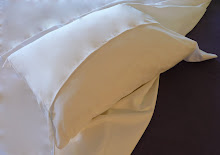
5.. Use a travel sheet like Allersac, that way you won't have contact with the bedspread, sheets or pillows.
Learn more about why you should use an Allersac at www.allersac.com
Even when you're comfortably ensconced in what you think is a clean room, what you don't know can hurt you or at least make you sick and at best gross you out. According to the web site TripAdvisor "a survey of 4,000 members around the globe found that: 24% bring along disinfectants, pillows or their own sheets or towels. When asked for their worst experience in a hotel room, 28% say it was a dirty bathroom. 4% of respondents say they've shared their hotel room with bedbugs." ABC Primetime did a study on hotel rooms in New York, Miami, Houston and Los Angeles. A black light was used to determine cleanliness. At every hotel they visited, from a one-star hotel with rates at $55 a night to a five-star hotel with rooms that cost $400 a night, lab results showed evidence of urine or semen in every room tested. Bed bugs have also turned up at even high-level hotels. Some specifics:
Dried semen on the bedspread and urine stains on the walls of a $300-a-night room in "one of New York's finest hotels."
Trails of urine on the bedroom carpeting in a well-known Miami hotel.
Traces of urine on the walls, bedspread, chairs, bathroom vanity stool and carpeting near the bed at a four-star resort.
Via, AAA Traveler's Companion, tells of a woman contracting scabies from a bed in a well-known hotel chain. "Erin Sturges complained to the manager, who reimbursed her for her room but not for her visit to the doctor. She had contracted scabies, not to mention a case of the heebie-jeebies that lingers to this day. "Now when I'm traveling I can't help wondering," Sturges says, "how clean, really, is this room?"
In the same article they quote this from a director of housekeeping, " bedspreads are washed at least 10 times a year" Think about this, that bedspread, the one which you lie on to watch TV is only washed, at best, once a month. Who was on that bedspread before you, an incontinent senior citizen or a mommy changing baby diapers, or even that businessman entertaining his escort, and that's just the bedspread, we haven't even mentioned the sheets yet.
Any way you slice it, sharing a room with strangers is just plain gross. Do you think every chambermaid in every hotel changes every bed after every guest. Please don''t be naive, hotel employees these days are overworked and underpaid, if there's a corner to cut, it'll be cut. Check out the infamous Fox Atlanta hidden video on drinking glasses and how they were cleaned. You can see that video and more on YouTube. Then there are the pests like bedbugs which have become epidemic in cities across north america. Sure, I know what you're thinking, he's paranoid. That's exactly the opinion friends of mine had until they were bitten by those little bloodsucking parasites.
So what's a traveller to do ? Here are 5 rules to travel by:
1. Don't use the hotel glasses unless they're disposable and sealed
2. Don't sit naked on any surface.
3. Wipe down the TV remote, which is the filthiest item in the room.
4. Check your bed and mattress for bedbugs, look for rusty spots on the sheets or mattress.
5.. Use a travel sheet like Allersac, that way you won't have contact with the bedspread, sheets or pillows.
Learn more about why you should use an Allersac at www.allersac.com
TOP 5 INEXPENSIVE TRAVEL ACCESSORIES FOR YOUR HEALTH
How many times have you wanted to kick yourself for forgetting the most simplest of travel items or of not thinking of using something you use everyday to solve a problem. Here are a few of my favorites in the health category.
It’s the simple things in life. We spend so much on time and money on vacations that sometimes we lose sight of the purpose of our travel or the accessories we need to help us stay healthy. These simple items can greatly improve your chances of not having your vacation ruined by something you can catch or be bitten by.
BLEACH WIPES : At about 8 cents a wipe, these handy little wonders will kill most viruses, bacteria and even insect eggs. Use them for wiping down whatever you might want to touch, handles, tv remotes, counter tops etc.
IMUNO BOOSTER : I know of only one product which has been proven to help prevent and cut the duration of colds, it’s called Cold/FX. This highly purified extract comes from north american ginseng. It’s great to start taking these a week before traveling and then during, to lessens your chances of catching something or getting you back on your feet faster. A bit pricey, about 35 cents per 200mg capsule at my favorite big box store.
TRAVEL SHEET: Nothing can impact your vacation like poor or dirty bedding. Haven’t you pulled back the filthy bedspread on numerous hotel beds to find questionable sheets. They look clean but there’s a hair or something that just doesn’t sit right, not enough to go through the hassle of changing rooms even if there are available rooms. A great travelsheet is wonderful thing. It’s easy to pack, easy to use and the really great ones are a snap to wash. I use a 100% cotton Allersac, it’s zippered and made of the same 400 thread count sateen that I use at home on my bed I use it no matter how much I pay for the room and between the bed bugs and the bleach, I just sleep better knowing my face is planted on sheets that I washed. The most expensive item on the list at about 50 bucks. But, because you can own one for years, it evens out.
ZIPLOCK BAGS : Think about this, the tv remote is the dirtiest thing in the room. Bed bugs can stowaway in or on any of your belongings. The person who washes the bathroom will touch your cosmetics, toothbrush, brush etc. when cleaning the bathroom.
To combat all these possibilities...ziplock bags of varying sizes. Pennies a bag.
HAND SANITIZER : Duh ! Although there have been a few studies which show that, on the whole, hand sanitizers do not cut the incidence of sickness as well as just plain soap and water but in a pinch, they’re great. $1 - $2.00 for an 8oz. bottle.
HONORABLE MENTION : For the slightly paranoid, painters tape. Wrap around the legs of the bed and/or around the headboard after inspecting the mattress and headboard. Anything that crawls over the tape will stick. Take that, bed bugs. About $3 - $4.00 for a 60 yard roll.
It Won't Take Long For Scabies To Become A Bigger Health Hazard Than Bed bugs.
We’ve all heard of bed bugs lately. These nasty little bloodsuckers have been in the news for 5 years now, causing havoc in hotels and homes all across the nation. As disgusting, expensive and a severe pain in butt these creatures are, the silver lining is, they , ( so far ), have not been proven to spread any diseases. Yes they can cause allergic reactions but the symptoms are relatively benign unless you have an anaphylactic reaction.
Scabies on the other hand, can be a real danger to public health . The difference between scabies and bed bugs is that bedbugs infest your home and scabies infest YOU !
A scabies mite is an insect about 3 millimeters long, that’s small, small enough so visual inspection is almost useless. You get scabies by having intimate contact with a person or surface which has been infected. The female scabies mite burrows under the first few layers of you skin and begins to tunnel and lay eggs.
Curing scabies can be problematic, some people experience resistant infections, secondary infections from the intense itching associated with scabies, or reactions to the scabicides used in treating the infection. The scabicides, medicine to cure scabies, are basically the same chemical , permethrin, used in killing bed bugs, only you spread it on you not your mattress. Granted the concentrations of this insecticide are much lower but still, this is a bug poison make no mistake. There are other less toxic treatments but resistance to these have been reported.
With an estimated one million cases of scabies occurring in the USA yearly, a scabies infection is not as rare as it was just a few years ago. International travel, higher population densities in hospitals, prisons and nursing homes, relaxed hospitality standards and poor laundering frequencies in hotels, can all contribute to higher scabies rates of infection.
According to the MassGeneral Hospital for Children, which is a primary pediatric teaching site for the Harvard Medical School, “ Outbreaks of scabies have been seen in adolescents who are not sexually active. For example, outbreaks have been seen where groups of teens slept in a hotel, motel or hostel where sanitation was not optimal. It is possible that they acquired the scabies mite from blankets or sheets that were not changed between hotel guests.”
Avoiding scabies is relatively simple.
- Don’t have contact with an infected person.
- Don’t have contact with items such as hotel bedding which have had contact with infected persons.
How do you protect yourself from unseen infestations ? Aside from intimate contact with an infected person, barrier methods like an Allersac travel sheet will do the trick when it comes to hotel beds. Just make sure that which ever travelsheet you choose, make sure it is HOT water washable AND can be dried on a high heat setting to kill all the scabies mites.
On the bright side, scabies mites are nowhere as hardy as bed bugs and will only live for 3 -4 days when not on a human body. African Americans are much less likely to get scabies, no one knows why yet. Scabies in bedding are easy to kill and washing in hot water and drying on a high heat cycle will do the trick, just be sure to clean ALL items or store unwashable items for at least a week.

Top 10 Road Trip Travel Accessories
Road trips can be relaxing and pleasurable, they can also be boring and stressful. The version you take depends greatly on how prepared you are. Travel routes, accommodations, and food are the primary areas to focus on. There are solutions to every problem and here are the top 10 to make your road trip enjoyable and trouble free.
1) Insulated Cooler Bag: This item is a must have for almost any length of road trip. Packing your own food will save you money and cut down or eliminate the need for junk food stops and greasy road side meals. Choose a bag that is collapsable so when not in use it doesn’t take up space. get the largest size, they start around $15, don’t skimp on quality as you’ll have this bag for years. If you do pack a lot of food, a bag on wheels is a good idea, they start around $80. Don’t bother with ice packs, freeze bottles of bottled water and use then as the ice packs, you’ll also have plenty of fresh cold water to drink.
2) Travel Sheet / Sleep Sack: Sometimes you don’t have much of a choice in your hotel selection. If you have not made reservations or if there are only a few, or one hotel in the area you stop at, sleeping can be one of the most stressful activities you’ll have to do. Unclean beds,bedbugs etc. are a few of the irritants that can be found in hotels and motels. Companies like Allersac manufacture travel sheets to help alleviate the stress and give you peace of mind so you can sleep and be ready for the next leg of your road trip. Get a good quality travel sheet that can be washed repeatedly, unless you are staying in hostels, get cotton , not silk.
3) First Aid Kit: Every car should have one in the trunk but especially when traveling. You want to be able to attend to any minor health problem quickly, trying to locate a drug store is not an activity, it’s a chore. Paying twice as much for band aids and antibiotic creme at some roadside convenience store is not a smart move. Buy a basic kit or make your own. Tailor the kit to your needs, your medication bought at your pharmacy.
4) Anti Bacterial Wipes: Restaurants, hotels, gas stations, sight seeing, these are all places with lots of people, lots of people means lots of germs. getting sick on a road trip is no fun and with Swine flu seasons coming , the holidays will be eventful, to say the least. Wash your hands often but when you can’t use a sink, wipes are the next best thing. They can also be used for surfaces in your hotel room like the TV remote, which is usually filthy.
5) Global Positioning System (GPS): Prices for these units have dropped a lot in the last few years but will probably be the most expensive of all travel accessories. Ranging from iphone applications at $90 that turn your iphone into a GPS, to stand alone units with all the bells and whistles at $600, knowing where you are and where you’re going and best way to get there can take a load off your mind. Of course if you have a smartphone and can access wifi on the road, google maps is a cheap alternative. Don’t forget the low tech version, paper maps. A good idea is to order your route maps from your local automobile club, they can plot out routes around any construction or unsafe areas.
6) Windshield Water Treatment: I cannot say enough good things about these products. Designed to seal the minute cracks in your windshield so rain will just sheet off the surface. Ever get caught in a fierce rainstorm or get stuck behind a truck spitting mud at you, when you can’t see well or all your windshield wipers are doing is smearing the dirt. Products like RainX will solve those problems, less driving stress, less stopping for bad weather.
7) Sound Generator Alarm Clock: Hotel too close to the highway, noisy guests next door, no wake up service, a sound generator alarm clock will help you to sleep and wake up on time.
8) Plastic Garbage Bags: Either for garbage, dirty clothes or to protect your belongings from bedbug infestation, good quality garbage bags are easy and cheap to throw in your car. They take up almost no space and come in very handy. The number 1 cause of bedbug infestation is cross contamination. You stay at a hotel that has bedbugs, they crawl into your stuff, you go home and so do the bedbugs. Keep your clothes etc. in these bags when staying overnight in a hotel. Bedbugs are no laughing matter and have become epidemic in north America.
9) Cell Phone: Don’t forget to take it with you for emergencies, reservations and directions. A phone with a camera is great for those sudden photo ops.
10) Portable Digital Storage Device: Like an ipod or an archos. These handy little high tech gizmos will allow you to listen to music, watch movies or store photos. Perfect for rainy days or down time where monotony can be a factor. Some models will connect with your car systems or can be used as stand alone units.
How To Choose And Wash Your Bedding
Washing Methods
If you’re not using hot water and hot air to wash you’re bedding than all you are doing is giving the dust mites and/or bedbugs that live in you’re bedding a bath. The only reliable way to remove and inactivate pests and allergens, is to use hot water above 60c / 140f and then dry in hot air.
Another method for removing dust mites from bedding is supplemental rinsing. After a warm water wash, put the bedding through 2 cold water rinses, this has proven to help remove most allergens including pet dander and pollen. The problems associated with supplemental rinses include using 2-3 times the amount of water as a single hot water wash and the trade off in costs between heating a single hot water wash and using 2-3 times the quantity of fresh water.
The most important aspect of hot water versus cold water is effectiveness. While a hot water wash has proven to remove all dust mites, a warm water, 40c / 104f, wash removes only 6.5% of dust mites.
While a hot water wash will kill all dust mites and inactivate the allergens generated by dust mites, only a hot air drying cycle for an extended period of time, over 40 minutes , will kill bedbugs. Bedbugs are larger and hardier than dust mites. They can survive much more extreme environments and conditions, and so can their eggs.
Putting ALL bedding through a hot air drying cycle will desiccate ( dry out ) any live bedbugs or eggs that survive the hot water wash. Bedbugs or their eggs cannot survive the extended high heat and will die.
By putting your bedding through a hot water, 60c / 140f, wash AND a hot air drying cycle for over 40 minutes, you can rest assured that the bedding will be free of dust mites, allergens and bedbugs.
Utilizing hot water and hot air wash cycles make the choice of bedding material content very important. For instance, silk or satin will not survive hot water or hot air. Bamboo, with it’s natural anti bacterial properties, will degrade and pill very quickly in hot water / air, not to mention the shrinkage factor.
Sheet Selection
Cotton bed sheets with a very high thread count, over 500, tend to be nice and soft, but fragile due to the smaller thread size. After repeat hot water/ air washings they tend to rip. Poly cotton blends and 100% cotton with thread counts between 300 and 400 threads per inch will perform well. Although any poly cotton blend will eventually start to pill and cause sensitivity to those who are sensitive or allergic to polyester, the trade of in price versus performance makes poly cotton a good choice.
100% cotton is still the best choice. Any tightly woven 100% cotton sheet with a thread count above 300 will block 100% of dust mites and 99% of dust mite allergens from coming through from a mattress. Most sheets of this quality are pre-shrunk so they will not shrink much further. They are able to be washed in hot water and dried in hot air. The only drawback to this type of sheet is wrinkles and creases after the wash cycle. Taking the sheets out of the dryer as soon as the cycle is finished should alleviate some of the problem.
Pillows, Comforters and Duvets
There are many types of fillings for pillows and comforters. Most are some type of synthetic fill made of polyester. Memory foams have become affordable and are becoming prevalent on store shelves. Feather or down pillows and duvets have been around for hundreds of years, but recently have gotten a bad rap for their supposed pest friendly attributes, these are unfounded and studies have shown synthetic fibers to be more hospitable to dust mites. Memory foam is great as a deterrent to allergens and pests because it has no small spaces for them to hide and is easily vacuumed, but there is a high incidence of allergic reactions to the foam itself.
Wether synthetic fibers or feather/down, make sure the casing of any pillow or comforter/duvet you purchase is very tightly woven and is washable, if not in hot water than at least warm water. After washing a pillow or comforter/duvet, allow it to hang dry, as very few makes are able to dry from a wet stage, directly into a hot dryer. When it is dry then you can put it through a hot air cycle in a dryer.
Remember
Just because a product is expensive, doesn’t mean it will protect any better than a less expensive product. Know the facts and make your decision on performance, not price.
Swine Flu This Fall / What To Expect And How To Gaurd Against It
As of the week of June 27th 2009 , in the USA, there have been 33,902 cases of laboratory confirmed swine flu, with 170 deaths attributed.
Most of the deaths involved people with pre existing medical conditions. Most healthy people survived with the help of anti viral medications like Tamiflu or Relenza. Although this swine flu is virulent and affects a lot of of healthy young people aged 10 to 45 yers old, it’s symptoms and effects have , so far, seemed to be relatively minor.
The ability to fight off and survive a bout of swine flu is the reason that mortality rates are low, the younger and healthier you are to begin with gives you the edge. So while, younger people get the swine flu more often, more of them survive. They may also be getting the swine flu more often because they have no natural immunity to it, while older people seem to contract the swine flu less ,because they possibly retain partial or full immunity from exposure to previous variants of the swine flu, but their mortality rate is higher because of pre existing medical conditions and age related vulnerabilities.
The big problem is not present infection but future infection. If this is what’s going on in the off-season for flu, at least in this hemisphere, imagine what the conditions will be during flu season.Now it’s summer, we’re all outside, kids are at camp. What will happen in the fall when we all start coming indoors and the young go back to school. How will the swine flu impact the regular flu season, how will you even know which flu you have. What about anti viral resistant cases of swine flu which have been occurred in Europe. Will we have enough medicine,will we have a vaccine.
A vaccine is in the making , takes about 25 weeks, and governments are stock piling anti viral meds and making contingency plans for the coming season but adjusting your mind set now and spreading that mindset to your relatives and friends is good idea. I’m not talking armageddon here, just a few common sense measures to lessen your chances of contracting swine flu.
1) Keep your hands clean and away from your face. This is THE, number one action you can take to cut down on transmission from people and to people. Wash your hands frequently with soap and water, anti bacterial soap is not needed for viruses. Eyes, ears, nose, mouth, these are the entry points for swine flu. If you eliminate touch transmission, all you are left with is airborne transmission. This strain of swine flu , H1N1, has proven not to be very efficient at infecting humans, a good thing for us.
2) Get your flu shots. Whether it’s for the regularly expected seasonal flu or swine flu ( as soon as it’s produced ). Flu shots have proven to be safe and effective, especially if you have a pre existing medical condition which may complicate or comprise your ability to fight off the swine flu.
3) Keep your hands clean and away from your face, did I mention that already
The top 3 are primary precautions, after that there are secondary precautions, face masks come to mind. All those people walking around with surgical masks in Mexico, were they protected, kind of. Most surgical masks are made to deter, wearer to patient transmission, so that health care workers don’t transmit anything. But to be very effective in preventing the wearer from infection, the mask must be worn tight around the face and be of quality material small enough to stop a virus.
If you are able to, stored in a cool dry spot, anti viral medicines can last for a long time.Good to know if you live far from a doctor, hospital or pharmacy.
Suggesting to the co-worker who looks ill, that a few days off would do him good, is a good idea, and do it from six feet away.
Don’t go to work sick, don’t go shopping, don’t send your sick kids to school. If you get the flu or think you’re getting it, just stay home.
Is Your Hotel Clean ? Are You Sure ?
After doing research into the cleaning standards of the major hotel chains in North America, here is what I have found, nothing, absolutely nothing. Oh sure there are points rewards and clubs, health spas and free breakfasts, sustainability and "green" programs and mission statements up the wazoo, but I could not find one chain that published anything about cleaning, laundering and sanitizing their rooms.
You would think that a clean room, being the raison d'etre of a hotel, would merit some standards, but cleaning standards don't exist in the hospitality business. Each hotel chain has their own standards. There is no universally accepted guideline or standard when it comes to such things as permissible levels of bacteria or detergent residues, suggested time intervals for bedspread and pillow laundering or replacement, and no list of safe cleaning agents.
I am not suggesting there is no data or criteria on the subject of housekeeping in the hospitality industry, There is an interesting report written by Michael C. Sturman for the Cornel University School of Hotel Administration, funded by JohnsonDiversey Inc. a subsidiary of Johnson Wax Professional, which addresses the measuring of housekeeping performance. While this report focuses more on the efficiency of housekeeping rather than the effectiveness, it does provide a window into the way the industry thinks about cleaning and the cost of cleaning.
The CDC ( Centers for Disease Control ) publishes guidelines for Environmental Infection Control in Health-Care facilities. which encompasses surface cleaning as well as bedding. There is no reason why we would hold the hotel industry up to the same standards as a hospital but there are a few constants when dealing with bedding. The need for water temperatures to exceed 70 degrees celsius, the use of chlorine bleach, required high heat drying and or pressing, the need to monitor cleaning agent residues.
While the CDC states that, " Although contaminated textiles and fabrics in health-care facilities can be a source of substantial numbers of pathogenic microorganisms, reports of health-care–associated diseases linked to contaminated fabrics are so few in number that the overall risk of disease transmission during the laundry process likely is negligible." there are no guidelines for the hotel or hospitality industry on the CDC website.
There are plenty of companies that train and certify workers as housekeepers, and other companies that certify the hotel, I have never seen any certification presented on any website or in the lobby of any hotel I have ever stayed at. Not enough hotel chains adhere or advertise that they adhere to any certification at all. It seems like hygiene is a taboo subject, the unwritten law, don't talk about how clean , talk about how soft.
The more I researched this topic, the more I realized that we, as the traveling public, look upon the Hospitality industry as just that, an industry, run by professionals to corporate standards. But in actuality, the way your room is cleaned is a more a function of how efficient, knowledgeable and conscientious the person who cleans it is and the chemicals utilized. When the odd room is inspected by management, what is the criteria, a visual inspection, a sniff of the air, swab tests ? The cleaning agents used by each hotel, are they safe, is enough used to complete the task or is too much used causing residues over the healthy limits.
I realize that it's just a hotel room, not a bio facility. That's true but, who would have thought 20 years ago that staph ( MRSA ) bacteria would transmit infection through gym towels. When you were a kid, your mom didn't ask you if the bleach residue in your underwear was causing you discomfort. Allergies were hay fever, maybe peanuts or cats, but not " chemical sensitivities ". The times, they ARE a changin'. In a study published by the University of Virginia Health System, residual rhinovirus was found on 35% of items handled by people who were asked to spend a day and night in a hotel room while they had colds.
Is it any wonder that so many protective products like anti allergy travel sheets, hand and ultra violet light sanitizers, and portable air filters are marketed towards the traveling public ? Every few weeks a new article or television news spot highlights the ongoing bedbug problems in hotels or how clean the drinking glasses are in hotel bathrooms. Why aren’t these public health matters addressed by the hospitality industry or the government ? Possibly because the problem is too big, too wide spread and too hard to police.
With all the maladies and allergies and sensitivities, the bed bugs and lice, wouldn't you rather read how your room is prepared and, with what chemicals, than what junk food in the guise of a free breakfast is offered. I would want to know my room is free of germs and pests and cleaned according to researched and proven standards, If most large hotel chains train their staff then there are standards, some one buys the cleaning agents so there are names of chemicals used. Why not just make some of this info available. You know the urban myth, "you never see a baby pigeon" well here's mine, " you never know how often the bedspread is cleaned."
Chemical Sensitivities And How To Avoid Them
Many people are sensitive to a variety of chemicals present in every day detergents and cosmetics. Some are affected by inhalation of scents or residues and some have contact sensitivities.
It is very difficult to isolate or determine which type of transmission affects specific people. It is a matter of trial and error, eliminating all possible causes and reintroducing each one, to determine sensitivity.
Inhaled sensitivities are the most difficult to solve. Some chemicals or pollutants don’t even have a scent or are undetectable. In some cases it’s the exterior environmental air that is the cause. Environmental pollutants are impossible to remove and some sufferers have to actually relocate to other geographical areas devoid of many air pollutants.
Contact sensitivities are easier to diagnose. Many times, it’s as simple as changing laundry detergent or cosmetics. Many household cleaning products can aggravate or cause reactions that mimic allergies. Using too much bleach or detergent, or simply not rinsing well enough, can be the cause of itchy dry skin or rashes.
Topical cosmetics like hand creams, perfumes and soaps can cause symptoms and are easily tested by process of elimination and reintroduction.Sometimes, just changing you laundry detergent or deodorant can solve the problem.
Sensitivities can be experience when a change in surroundings occurs. Many people report reactions to new environments, such as traveling or staying in different hotels or staying at a friends place. These types of contact sensitivities can be solved easily by utilizing a travel sheet to act as a physical barrier between you and the bedding.
Which ever type of sensitivity you suffer from, simple methods of elimination and reintroduction, before resorting to medication, are the easiest and safest way to determine if and what you are sensitive to.
Allergies Or Bedbug bite ? How To Tell The Difference
A common complaint of travelers who have allergies relates to the question of why they are experiencing reactions after spending a week away or returning home. A traveler may not suffer from, what they think , is an allergic reaction while on the trip, but in a few days,or as many as ten days, after being bitten , present with a welt or lesion.
Studies show that reactions to bedbug bites increase as exposure is increased. A person's first time being bitten may not cause immediate reactions, but can take up to ten days to present as a skin reaction. Repeat exposure to bedbug bites can increase the reaction time from ten days to mere seconds. This is important in determining, if, and when you have been bitten by bedbugs, whether you think it was at the hotel you stayed at, or your home, and if you are seeking compensation or considering litigation.
Bedbug bites are commonly mistaken for a variety of skin diseases such as atopic dermatitis, contact dermatitis, and scabies.
How can you tell the difference between an allergic reaction, like seasonal allergies or dust mite allergies, and a bedbug bite? People with a hypersensitivity to insect bites, and a bedbug is an insect, who are bitten by bedbugs, typically present with symmetrical lesions on their face,neck, arms or legs. Particularly characteristic of bedbug bites are the patterns or groupings of the lesions, which are similar to flea bites. These patterns of bites are usually either linear or triangular in shape and each bite will resemble a bull's-eye, which is typical for insect-bite reactions.
An estimated 80% of the population are sensitive to bedbug bites. In one clinical trial, 18 of 19 persons showed skin reactions after bedbug exposure, mostly, only after, repeated exposure.
While it is generally thought that bedbugs do not transmit disease, and there is no proof that they are capable of disease transmission, conversely, there is no proof that they are not capable of transmission. The concern with bedbug bites is associated with the intense itching caused by the bites. The itching usually leads to scratching which, if severe enough, can cause breaks in the skin, scratches or excoriations, which can become infected. Scarring and/or changes in skin pigmentation, particularly in dark skinned people, can occur.
It is important to note that although most insect bites that cause lesions or eruptions on skin called papular urticaria, bee and wasp stings are painful, mosquitos do not bite in clusters as with bedbugs or fleas. Bedbug bites usually affect hypersensitive people, which may explain why one person , after being bitten, exhibits lesions and itching, while a bedmate might not experience any discomfort.
Bedbug exposure while traveling has become a more common occurrence in the past few years. The causes of of more frequent infestations run from the banning of pesticides like DDT, to the theory that bedbug infestations are cyclical in nature, occurring when factors favor bedbugs. Whatever the cause, there is no doubt that being bitten can ruin a vacation. While home infestations are difficult to predict and even more difficult to eradicate, travel related exposure can easily be prevented.
Wherever you plan to sleep make sure you thoroughly check the bed and surrounding area for bedbugs hiding in cracks and crevices, Be sure to notice any reddish brown stains or spots on sheets or mattresses, this is an indicator of bedbugs. Many travel-related products containing pesticides are available but this course of action is heavy handed and most likely unhealthy. Barrier methods, like an Allersac travel sheet can be a very effective tool in mitigating exposure but cannot guarantee 100% effectiveness as they don't encase the head. With proper inspection and an Allersac, the incidence of bedbug bites, while traveling, can be lessened.
Subscribe to:
Posts (Atom)