Swine Flu- Can You Catch It From Your Hotel Bed?

How many times have you stayed in a hotel where you wondered about the hygiene and cleanliness of the bedding. What can you actually catch from sleeping on an unclean bed. Even if the sheets have been changed, what about the pillow or bedspread or blanket ?


Hepatitis A virus can survive outside the body for for months. HAV can survive certain acids and some heat and survive in dried feces. Other Hepatitis viruses such as HBV and HCV can live from 16 hours to up to a week.


Researchers have known since 2005 that "superbugs" like C.Difficille, which is found mainly in hospitals , can live for weeks in bedding and can be resistant to even bleach. Staphylococcus aureus ( MRSA ) is a relatively common bacterium found on skin and nasal surfaces of healthy people and animals. MRSA has cause outbreaks in schools and gyms, transmitted through contact with towels.


If bedding has not been changed or cleaned properly, transmission of bacteria and viruses is possible. Catching a virus from hotel bedding is not a common occurrence but it is possible, especially when you talk about padded headboards, quilted bedspreads and pillows , which can retain enough moisture to enable a virus to live long enough to infect. Bacteria, on the other hand, is a much hardier form of life.If the guest before you had a bacterial infection and deposited enough of that bacteria onto the headboard or pillow, then it's possible you could be infected.


 Molds responsible for respiratory and skin problems like eczema are virtually indestructible and can live almost anywhere. According to a 1999 Mayo clinic study, 93% of patients with chronic rhino-sinusitis ( CRS ) had allergenic fungal sinusitis. Molds thrive in damp dark areas, like the air conditioner area in tropical climates. That smell when you first turn on the air conditioner in your hotel could be symptomatic of a mold problem.


So what about swine flu ? Swine flu virus or the rhinoviruses that cause colds, needs living cells to stay alive. Without these cells, found in bodily fluids like blood,mucous or saliva, viruses have a short lifespan, between a few seconds and 48 hours, depending on the surface. Viruses tend to live longer on nonporous surfaces, like doorknobs, than on porous surfaces, like fabrics. But if the fabric is dampened with enough fluid, mucous, saliva or fecal matter, the virus may persist for much longer periods.


Can you catch swine flu from your hotel bed ? Not likely. You would have to lie down and put your face into a deposit of swine flu virus within minutes of an infected person lying there. But, if you should happen to come into contact with a damp spot of infected bodily fluids, well then it is very possible.


While it is highly unlikely that you will encounter a bed in a hotel which, not only has not been changed, but is still damp with the previous guests infected bodily fluids, "better safe than sorry", in this day and age of pandemics and poor housekeeping, is a catch phrase to live by. 


The same precautions and methods you should use for any hotel bed when checking for bedbugs, will serve you as well in checking for damp or unclean bedding. Don't wait until you are ready to climb into bed after a long day of sightseeing, check as soon as you get into your room. GET RID OF THE BEDSPREAD ! Throw it into a corner and forget about it because the last time it was cleaned, Jimmy Carter was in office.Pull back a corner of the bedding closest to the headboard, check for rusty colored spots and bedbugs. Slide your hand and arm under the sheets on top of the mattress protector ( hopefully there is one ) and feel for any damp spots. Remember, you don't know who slept in this bed before you. Maybe it was an incontinent senior, or a diaper changing mom and baby, what about a bed wetting child. Anything is possible, why not take a minute to make sure before you or one of your family hops in. Now smell your hand, if it stinks, wash and leave the room. Better your hand than the rest of you.


After checking the bed, move on to the headboard, if it's quilted or fabric covered, just run your hand over it to check for dampness. Again, smell your hand and repeat above instructions. If your hand smells then your head will too once you lay you head there.


Now the most important item, the pillow. This lump of fiber or feather filled material is more than capable of absorbing and storing fluids,  mucous, urine, sweat, and blood. All that separates it from you is a pillow case and hopefully a barrier pillow protector.Take the pillow in your hands and squeeze, hold the compressed pillow for 20 seconds, this will give you enough time to feel if any dampness is present. I do this a few times in different places on the pillow, to be sure it is dry.


After spending the 5 minutes it took to inspect the bed, headboard, and pillow, I STILL lay down a travel sheet like Allersac. If clean sheets are all that separate me from the mattress and pillow, then the added protection of my own travel sheet will serve to provide me with the peace of mind to relax and feel comfortable knowing I washed the sheets.

Scabies From Hotel Bedding ? - More Often Than You Think

Surprisingly, scabies, is one of the most talked about communicable parasites on the internet. The quantity of postings from people who have caught scabies from hotel bedding surprised me. I always thought scabies was a parasite associated with very poor countries. I did not realize that there are an estimated 300 million cases of scabies worldwide with one million of them occurring in the United States.


 Sarcoptes scabiei var. hominis is the species of itch mite that can infest a human. The adult female mite will burrow into the upper layer of skin and deposit eggs. The resulting infestation can become very itchy and present with a " scabies rash " Symptoms may not appear until 2-6 weeks after initial exposure but more quickly if the person has been infested before. An infested person can transmit scabies even if they show no symptoms.


 According to the CDC ( Centers for Disease Control and Prevention ), "Scabies usually is passed by direct, prolonged skin-to-skin contact with an infested person. However, a person with crusted (Norwegian) scabies can spread the infestation by brief skin-to-skin contact or by exposure to bedding, clothing, or even furniture that he/she has used."


 Via, AAA traveler's companion, reports a woman, E. Sturges, contracted scabies from the bedding in a "well-known" motel chain. She was reimbursed for her room, but not for her medical bills. Just google " scabies from hotel " and literally hundreds of hits emerge. While human to human contact is the most prevalent mode of transmission, bedding seems to be overlooked and under diagnosed.


 Once infested, scabies is treatable with prescription lotions and creams called scabicides. Not only should the infested person be properly treated, but, according to the CDC " bedding, clothing, and towels used by infested persons or their household, sexual, and close contacts anytime during the three days before treatment should be decontaminated by washing in hot water and drying in a hot dryer, by dry-cleaning, or by sealing in a plastic bag for at least 72 hours. Scabies mites generally do not survive more than 2 to 3 days away from human skin."


 Because scabies mites and eggs can live away from human skin for 2 to 3 days, transmission from bedding is highly possible. If the hotel guest who stayed in your room before you had scabies, well unless that bed had been properly cleaned and changed, there is a very good chance you could catch scabies, and it happens, more often than you think. Most scabies cases are probably not even reported because people who catch scabies for the first time usually only exhibit symptoms a few weeks after exposure. So if you stay in a hotel and catch scabies there, you go home, and a few weeks later become infested. Now you have transmitted scabies to your home and family, and you don't have a clue or proof of where you caught it.


 How can you protect yourself and your family from acquiring scabies ? Scabies are tiny, females range from 0.25mm - 0.45mm in size and males can be half that size, so they are almost impossible to see. Their eggs are even smaller. Because you can't really inspect a bed for scabies, your best line of defense is still inspection and barrier protection." Inspection" as in inspect the bedding to make sure the linens are fresh and have been changed. If you are leery about your bedding and don't believe the sheets are clean, either ask for a new room or find another hotel. 


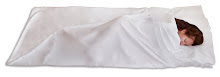
 A barrier travel sheet with a small pore size is your best protection, even after inspection. Companies like Allersac.com produce and sell cotton travel sheets for the express purpose of creating a physical barrier to scabies, lice and bedbugs, while providing a comfortable, breathable envelope to sleep in. Remember, if you purchase a travel sheet, it must be washable in hot water and 

dry-able in hot air, otherwise you won't be able to properly sanitize the travel sheet between using.


 Ease of transportation, the opening of borders, and inexpensive travel deals have served to make the world a smaller place than it was 20 years ago. All too often, unclean bedding, is experienced worldwide, by hotel guests. It's not just dirty or gross, there are parasites like scabies, lice and bedbugs to be caught. Simple precautions and products can make your travels safer and healthier. 


A New Level of Comfort for the Business/Executive Traveler

Work harder, expense less, stay lean. This could be the mantra for every executive in these tough economic times. Allersac introduces it's unique new product to help the traveling executive to save money , be comfortable and stay competitive.

With all companies cutting back on travel costs, it has become important for the business traveler to economize when it comes to hotel stays. The days of booking that 4 star room have vanished. Expense accounts need to be trimmed and hotel costs are one of the victims of the economic downturn. But how does the business traveler stay competitive and comfortable.

Allersac introduces it's unique anti-allergen travel sheet. Made of 100% combed cotton percale with a 400 thread count, Allersac is the designed to help shield the traveler against bed bugs, allergens such as animal and dust mite dander, lice, harsh detergents and dubious hotel bedding.

" If anyone knows about the dangers of hotel bedding, it's the business traveler " says Jeff Solomon, president of Allersac. " How many times does a business traveler check into a hotel, get to the room, only to find unclean bedding. The well traveled executive knows cleanliness and comfort are not dictated by price, unclean bedding or bed bugs can be found at even the most expensive of hotels."

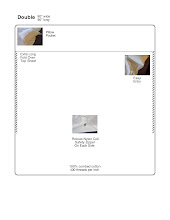
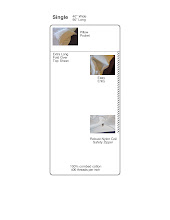
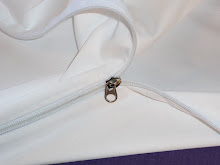
Designed and constructed of high quality materials, Allersac is easy to use, easy to pack and easy to maintain. Available in two sizes, single and king size, with a pillow pocket, extra long fold over top sheet and zippered side entry, Allersac will protect, and provide a clean, soft, breathable barrier to make your sleep more restful and worry free. "Think about it, wouldn't you rather climb into a bed that you know is fresh and clean, rest your head on a pillow and not have to worry about who slept there last, fold the top sheet over the blankets which are only cleaned 8 or 9 times a year ? " asks Jeff. " With our 400 thread count, sateen finished, combed cotton, you'll be sleeping on your own sheets. "

Aside from it's high quality materials and construction, what makes Allersac so unique is the fact that it is so simple to clean, just toss Allersac into a washing machine and dryer, no fussy washing instructions or delicate cycles to contend with. Allersac can be used in hotels, motels, cruise ships and trains, as well as a seat liner/cover on planes and buses. Just slip the pillow pocket over the top of the seat and sit down or climb in and take a nap.

" At $49.95, Allersac will allow you to save money on your hotel expenses by choosing the less expensive room, while providing you with a clean, healthy, restful sleep" states Jeff. " Light weight and about the size of a magazine, Allersac is great insurance policy against the pratfalls of sleeping in a hotel room, you might not need it , but if you do..... "

http;//www.allersac.com

Imagine Traveling With Peace of Mind

In this day and age, travel has become an expensive, time consuming and frequently unfulfilling luxury. Allersac is trying to turn that tide with the introduction of it's newest product, a 100% cotton percale, 400 thread per inch, breathable,travel sheet. Allerasc is designed to help protect the user from questionable bedding, allergens, dust mites, bed bugs, lice and harsh detergents.

" So many people today are affected by allergies to dust mite and animal dander, why not use a product to alleviate the suffering" said Jeff Solomon, president of Allersac. " I just got tired of checking into a hotel and having to change rooms because of bed linens that were just unacceptable. Hotels used to be so much cleaner, now, you don't even know if the sheets have been changed, let alone how dirty the bedspread, blankets, and pillows are. I tried other brands of travel sheet, but none of them could be washed in hot water and dried on high heat, which, by the way, is the only way to inactivate, remove or kill allergens and pests without chemicals. I wanted a travel sheet that would stand up to repeated washings while still providing comfort as well as being easily packed for a trip. Allersac comes in it's own vinyl carry case which prevents cross contamination."

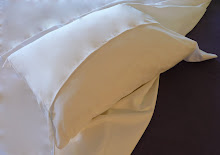
What makes Allersac so unique is the fact that it can be washed in hot water and dried on any heat setting in a household dryer. Other features include, a robust zippered closure, extra long fold over top and a pillow pocket. When you use an Allersac you are putting a natural, breathable, protective barrier between yourself, the sheets, pillows , blankets and bedspread. Our sateen finished percale is soft and luxurious, with a thread count of 400, the same quality found in high end bedding.

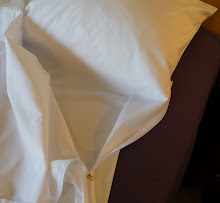
Bedbugs are already epidemic in most major cities, which is why Allersac is zippered, not snapped, buttoned or hook and looped. Our nylon coil safety zipper provides the best closure with fewest openings or voids to help shield you from bedbugs and lice.Allersac is simple to use and only takes a minute to put on a bed

Allersac can be used in hotels, motels, cruise ships and trains, as well as a seat liner/cover on planes and buses. Just slip the pillow pocket over the top of the seat and sit down or climb in and take a nap. For children with allergies, Allersac can help mitigate exposure to allergens while sleeping at a friends house. Even unexpected house guests will appreciate an Allersac. Versatility, affordability, comfort and performance makes Allersac a great choice.

"At $49.95, Allersac is a sound investment" states Jeff, " It'll pay for itself the first time you use it. I have found there is very little difference between the budget room and the higher end room. Price does not guarantee cleanliness. With an Allersac in your luggage, the uncertainty of which hotel to choose, is greatly diminished. Just the peace of mind you get with an Allersac, makes the purchase worth while. Think about Allersac like you think about insurance, you may never need it , but if you do..... "

Learn more about Allersac at www.allersac.com

Stuff you and your allergic child need, and need to know, for a sleep over

Your Child has an allergy. You've spent the years since you found out about the allergy, making sure they weren't exposed to the allergen. Worrying, cleaning, asking 20 questions at every restaurant visit, making sure all their friends and friend's parents knew all about it. Now your child comes home and tells you "I want to sleep at my friends house."

Well, what do you say ? A simple allergy to dust mites will cause a little congestion, maybe an dry patch of skin, but a peanut allergy can be deadly. Even more complicated are multiple food allergies. Do you over protect and not allow the sleep over or do you educate your child and their friends and hope all goes well. Obviously the age of your offspring will dictate some of the reasoning that will go into your decision. How capable your child is to understand the consequences of an allergic reaction, and the amount of trust you put in the parents of the child whose home your child will stay at, are the main factors involved.

You've made peace with your decision and feel your child is educated well enough to be able to make some basic judgements about their own health. You have spoken to the parents and feel they have your child's best interest at heart and will be present to supervise the sleep over. Now you must decide on what items to send with your child to either protect them or alleviate any symptoms or allergic reaction they may have during the stay.

The most obvious items are medications. Whether it's an EPI pen, antihistamines , anti-inflammatories, inhalers etc. these items must be checked and packed in sufficient quantities. Don't take for granted that the household hosting the sleep over has Benadryl or other over the counter meds like ointments or creams. If your child needs any medication, double check, better safe than sorry. As the parent of a highly allergic or asthmatic child , who could die from a reaction which requires medication, you pretty much know this.

But what about allergies which are not life threatening. Millions of kids are allergic to certain proteins in dander from cats and dogs, but also proteins present in the decaying dead bodies of dust mites as well as dust mite fecal matter. Your child may be allergic to these proteins and experience symptoms from mild itching to full blown rhinitis or eczema.These tiny particles are present almost anywhere your child will sleep. Even if the home has no pets, dust mites, which feed on dead human skin cells, are present in carpets, mattresses, sofas and bedding, like blankets and duvets. Using a travel sheet with a small pore size can be very helpful in mitigating the exposure your child might experience. There is no way to completely shield anyone from danders as these particles become airborne easily, but a travel sheet, especially an anti-allergen travel sheet will help greatly. If your child has asthma which is brought on by exposure to danders, try to arrange to have your child sleep elevated from the floor, the further the better. Air quality is better the further from the floor you get. Sleeping with their friends as a group on the carpet might sound like fun but will not help with allergies.

Other than food and animal allergies, there are environmental and chemical allergies. The air and surfaces of the inside of our homes can be more polluted than the outside environment. Household cleaning products and washing detergents can cause many reactions. If your child reacts or has sensitivity to chemicals, it would be a good idea to ask the host to refrain from using these products in the area where the sleepover will occur. Those nasty air fresheners sitting on the dresser or plugged into the wall should be avoided as well. As for washing detergents and bleaches, our need to have our whites " whiter than white " means the chemical residue they leave will be present on the bedding. Again, a travel sheet will help to eliminate exposure to these chemical residues.

Temperature reactions and sun sensitivity are also common, heat rashes and cold hives affect some kids. Make sure your child understands the importance of drinking enough water and wearing UV protection. Cold hives are rarer but still can be a problem, make sure the parents know about your child's cold weather reactions.

Don't be shy. I know parents with allergic kids who pack actual meals to send with their children. Hosting parents might be put off at first, when your child shows up with a lunch box full of food or a travel sheet to put on the bed, but this is why you must communicate with them and explain your predicament. You can either rest easy and enjoy some down time while your child stays over night, or, you can sit around loosing sleep and freaking out every time the phone rings, it's your choice. If a parent whose home your child is sleeping at seems not to understand the health consequences of an allergic reaction, or you get the feeling they think you are paranoid, don't allow the sleep over. In my experience, people who are ignorant to allergies because they, or someone in their family doesn't suffer from them, will not be vigilante.

A good idea is to make a simple checklist of items your child and you will need to enjoy their sleep over. By taking a few minutes to compose this list, you will save your child and yourself, the time and aggravation of having to think of what you need every time they sleep out. Eventually, the child can take over the responsibility of gathering and packing these items, giving them a better understanding of their unique health requirements. Like anything else, it's a learning curve for your child as well as yourself and with the right attitude, can be a positive activity you share with your offspring.